Why You Stay in Toxic Relationships: Understanding Trauma Bonding and Getting Mental Health Support in NY
Relationships should feel safe, supportive, and nurturing—but for many people, love becomes tangled with emotional pain, confusion, and fear. One of the most common yet misunderstood mental health issues that arises from toxic relationships is trauma bonding. This powerful psychological attachment can keep someone tied to a harmful partner, even when they logically know the relationship is damaging.
Understanding trauma bonding—and the desperation for love that often fuels it—is a crucial step toward healing. If you’re feeling stuck, ashamed, or overwhelmed, know that you are not alone, and professional mental health care can help you break the cycle.
What Is Trauma Bonding?
Trauma bonding occurs when intense emotional experiences—especially cycles of affection, abuse, and apology—create a deep, addictive attachment to a toxic person. Partners in toxic relationships often experience:

Intermittent reinforcement: Kindness followed by neglect or abuse
Emotional manipulation
Gaslighting and control
Fear of abandonment
Over-identification with the partner’s needs
These unpredictable cycles activate the brain’s reward system, making the relationship feel impossible to leave, even when it is painful.
Why We Become Desperate for Love or Connection
People who struggle with toxic relationship patterns often have a history of:
Childhood emotional neglect
Abandonment wounds
Low self-worth
Attachment trauma
Past abusive relationships
This can create a desperate longing for love, validation, and connection—making a harmful relationship feel like the only source of emotional fulfillment.
But the truth is: Love should not break you. Love should not confuse you. Love should not hurt your spirit.
You deserve healthy, consistent, safe connection—and mental health treatment can help you rebuild that foundation.
How Mental Health Care Helps Break Trauma Bonds
Breaking free from trauma bonding is not about “being stronger.” It’s about receiving the right professional support to heal the trauma that got you stuck in the first place.
Evidence-based mental health treatment helps by providing:
✔ Mental Health Evaluations
A comprehensive psychiatric assessment identifies underlying issues such as anxiety, depression, PTSD, attachment trauma, codependency, or relationship-induced stress.

✔ Therapy (Psychotherapy)
Therapeutic techniques help you:
Understand toxic relationship dynamics
Strengthen boundaries
Rebuild self-worth
Learn healthy attachment patterns
Process trauma and emotional wounds
✔ Medication Management (When Appropriate)
Trauma bonding often comes with:
Panic attacks
Severe anxiety
Depression
Sleep disturbances
Emotional dysregulation
Medication management can help stabilize mood, reduce emotional overwhelm, and support your healing journey.
✔ Ongoing Mental Health Support
Healing from toxic relationships takes time. Continuous care helps you develop inner strength, clarity, and long-term resilience.
Mental Health Services Available Across New York
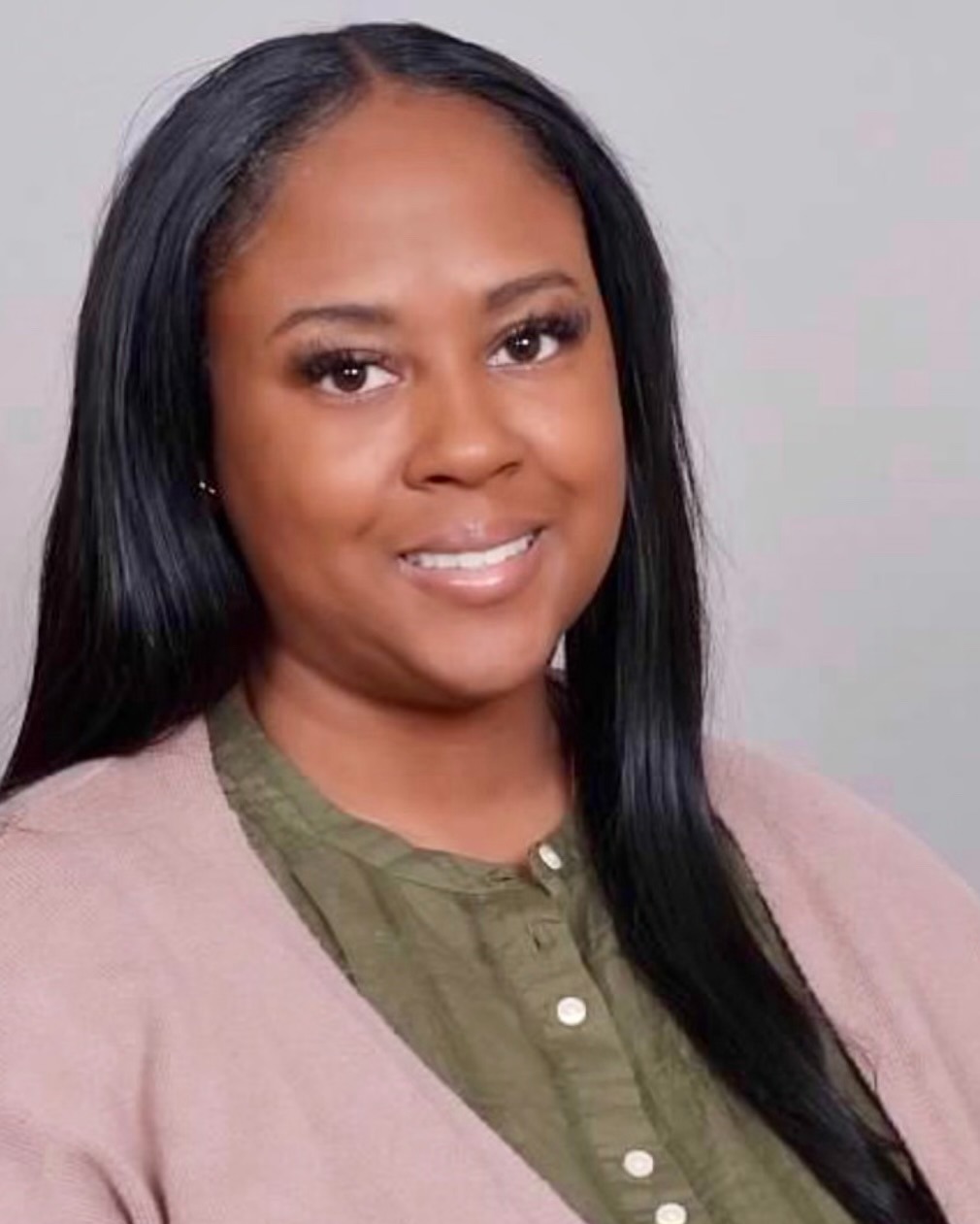
At Chanel Freeman MSN, PMHNP-BC, I provide compassionate, trauma-informed care for individuals struggling with toxic relationship fallout, trauma bonding, and emotional dependency.
Whether you need an evaluation, therapy, or medication management, you can access care from the comfort of your home.
Why Professional Help Makes a Difference
Trauma bonding is not a lack of willpower—it’s a trauma response. Professional mental health care helps you:
Identify the root cause of unhealthy attachment
Break emotional dependence
Stop the cycle of toxic relationships
Develop healthy self-love and self-respect
Build secure, stable connections in the future
You don’t need to navigate this alone. Healing is possible—and it starts with support.
Ready to Start Healing?
If you are dealing with toxic relationships, trauma bonding, or emotional abuse, I’m here to help. Offering mental health evaluations, therapy, medication management, and trauma-informed care across all of New York State.
Schedule your appointment today and take the first step toward a healthier, stronger, more empowered you.

Chanel Freeman NP in Psychiatry PLLC
Psychiatric Mental Health Nurse Practitioner
Phone: 716-201-0180



Comments